Showing posts with label behavior. Show all posts

Seven Ways to Bring Fun Back Into Your Classroom

From Dull To Delightful:


7 Ways To Bring Fun Back Into Your Classroom


January 9, 2022


Neurologists have proven that everyone learns and retains more when they are having fun. One of the most difficult tasks teachers face is how to keep students engaged in learning throughout the day. Here are a few ideas to keep learning fun and exciting.

Healthy Debate


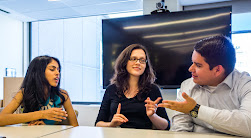
Encourage students to discuss issues they are passionate about. An easy way to do this is to switch up a daily lecture with a more conversational format. Or you could go even further and set up informal debate teams. Teach them how to voice their opinion and back it up with statements of fact. Show them how to speak and listen respectfully. Explain how everyone has a voice and deserves to be heard and listened to. Learning about other viewpoints and that there are no easy answers helps students grow.

Give Students Choices

If there is room in the lesson plan for some leeway between topics, let students choose the next activity. Giving them a small amount of control in subject matter helps encourage attention and interaction in the classroom.


Let the Student Be the Teacher


Students may be more interested in learning when they know they will get a turn to be the teacher. Make sure they take it seriously by helping them devise their own lesson plan. Give them a short amount of time to teach about a subject they are interested in.


Seek Out the Mysterious


Students find learning more fun when they are discovering along the way. Ask questions that even you might not know the answer to. Think of ways to investigate a mystery that will pull the students in as they learn along the way.


Directly Correlate Lessons With Life


Find out what your students are thinking about in their out-of-school hours. Incorporate their concerns into your lesson plans. If they are interested in earning money, change your math lesson to include ideas about work ethic and tips for saving.


Take It Outside


Go on small field trips. Just a walk in the field behind the school might bring plenty of scientific discoveries. From testing water and soil quality to identifying birds and insects, a trip outside is always a learning experience.


Use Technology


It’s no secret, it’s a technological world. Being able to use computers is part of the current education experience. Using Google Slides or Boom Cards will enhance computer literacy as well as the learning experience in your classroom. With topics ranging from recipes to “this day in history” slides, to math, reading comprehension and science, no subject is left out. Colorful slides and fun features like fill-in-the-blank and drag-and-drop keep students engaged. 


To find out more, check out the following suggestions:


Google Classroom Suggestions:


Gratitude Beyond the Thanksgiving Table


Why Gratitude Matters Every Day and Ways to Encourage It

When we were kids, we were taught to say, “please and thank you,” if we wanted something. We were also taught to “be thankful,” around the Thanksgiving table. But there is so much more to the practice of gratitude.

Research shows that practicing gratitude has a multitude of positive effects. From feeling less stress to better physical health and a happier mindset, its effects are far-reaching. Students have even been shown to be more alert, compassionate, and positive when they are practicing gratitude.

Write It Down

We’ve all heard of expressing gratitude through keeping a gratitude journal. This can be a simple exercise every morning where students choose one or two things that they are grateful for. After they have run through their family members, friends, and pets, it becomes trickier. Encourage them to look for beauty in every-day life that they can feel thankful for. The crunch of fall leaves under a boot, a warm jacket, and a parent cooking dinner when they arrive home are just a few examples.

Share

Keep a grateful jar in the classroom. Encourage students to write thoughtful notes about reasons they are grateful to fellow classmates. Go through them at the end of the week to share out loud. Once they get the hang of it, they can express gratitude face-to-face and feel comfortable doing so.

Write Letters

Write a group gratitude letter to someone in your school, community, or even a public figure. Help the students be specific about their reasons of gratitude. The librarian, the school receptionist, the janitors, and cafeteria workers would surely all appreciate such a thoughtful gesture.

Help Students Look Deeper

It is easy to be grateful for a new pet, a new car, or expensive new clothes. But once the novelty wears off, sometimes so does the gratitude. Self-serving gratitude is a precursor to resentment and envy as others will always seemingly have more than us.

Encourage students to delve deeper. Rather than being grateful just to have something fancy and new, what are the feelings that are driving the gratitude? Help them find that more meaningful level of appreciation. Do they feel fortunate because their parents are generous? Are they proud because they worked hard to earn and save for something? Do they like the items because it improves their self-confidence? When they become grateful for feelings rather than things, they will have found a deeper level in their gratitude practice.

Model the Practice

Being grateful is a constant practice. When you find yourself feeling negative and ungrateful, recognize those feelings. Ask for help and ideas from the students with ways to look at things in a more positive light. They will appreciate the chance to brainstorm and get involved.


Gratitude is just one character trait that we can all improve upon. For more ideas in improving social skills and behavior, check out our Real-World Skills Series - Book 1 on Improving Behavior and have a Happy Thanksgiving!


For more social skills lessons, check out the 
Real-World Skills Series for lessons on honesty, generosity and kindness; Real-World Skills: Social Skill - Improving Behavior (book 1) at remedia.com.

Or get this book from our Digital website RemediaDigital.com

Real-World Skills: Social Skills - Improving Behavior - Book 1 


Helping Students Develop Social Skills


Improve Social Behavior

One of the most important things students learn at school is how to interact with each other. It isn’t taught as a subject like English, History, and Math, but perhaps it should be. And so, the subject falls on every teacher to teach social skills to every student, everyday.

Having possibly experienced isolation, financial hardships, and even loss of loved ones, students are yearning for a “return to normal.”  After being cooped up for over a year, many students will need a bit of a refresher when it comes to their social skills. Come to think of it, we all could!

Add the complication of having to wear masks, then social skills become even more important. With facial recognition not fully kicking in until the age of 14, younger children wearing masks can have a hard time recognizing their friends, let alone be able to communicate with them. There are ways to help them socially so we can all stay well physically.

communication
Improve Communication Skills

Students need to speak clearly and make eye contact while speaking. Listeners need to put all distractions aside and give their full attention. Educators can make a game of it. For example, have students read instructions that guide other students through a series of tasks.


Expression 


Remind them that even if they are wearing a mask they can still communicate with expressions. A smile can be seen in the eyes as well as the mouth. Expressive hand gestures and body language help with communication. Words, of course, can also express feelings.


Encourage Optimism

Model optimism by showing the students how to find the positive in what is originally seen as negative. A field trip being canceled for bad weather can feel like a real loss. Getting to watch a movie or play a game, and rescheduling the field trip can feel like a win. Encourage them to use positive words. “No worries,” uses two negative sounding words. “You’re welcome,” is a positive statement.


Being Easy-Going


After spending so much time with their families, students will have to relearn how to navigate social situations with their peers. Giving in doesn’t mean giving up. Remind students that when working in a group situation everyone can’t always have their way. When everyone makes compromises, common goals are more easily met.


Catch Them in the Act

Students interact with each other all day long. Acknowledge their acts of generosity and kindness. Make a game out of doing random acts of kindness in and out of the classroom. Have students share their personal favorite from that week.


Honesty


Talk about how practicing honesty isn’t a free pass to say cruel things. The goal and intention behind the truth are what matters. The old adage, “If you don’t have anything nice to say, don’t say anything at all,” still holds true.


Social Skills - Improving Behavior

For social skills lessons, check out the Real-World Skills Series for lessons on honesty, generosity and kindness; Real-World Skills: Social Skill - Improving Behavior (book 1) at remedia.com.

Or get this book from our Digital website RemediaDigital.com

Real-World Skills: Social Skills - Improving Behavior - Book 1